
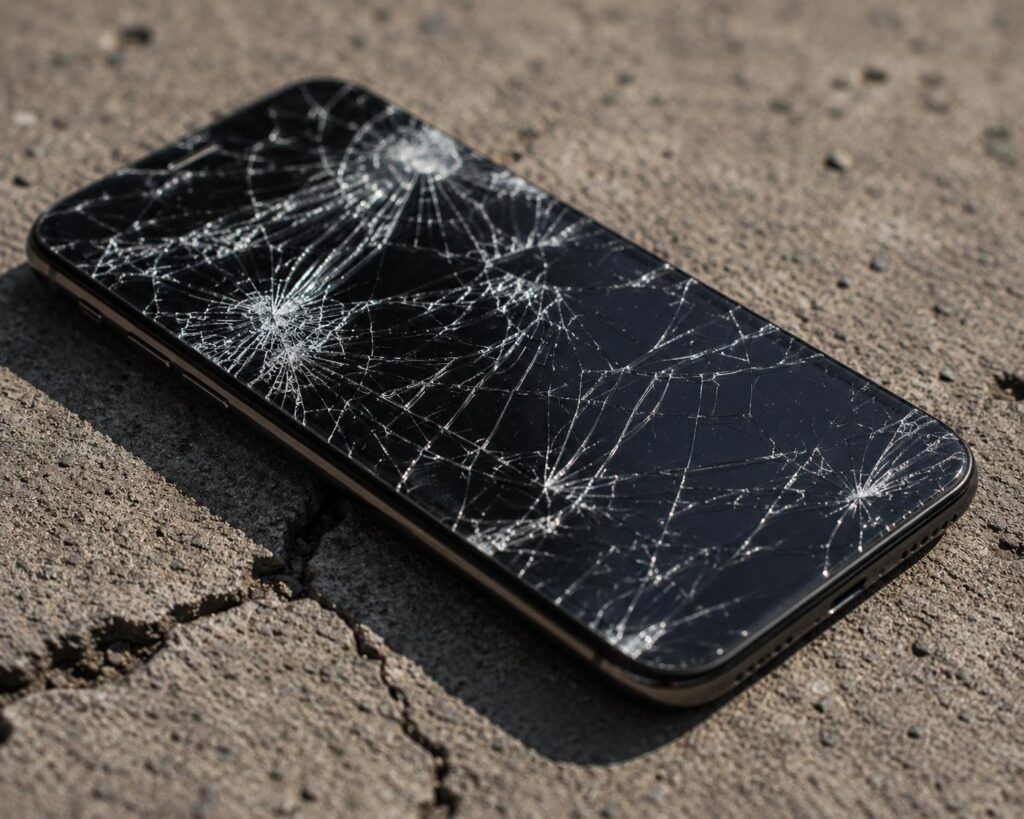
Phones are expensive. Even mid-range handsets now cost several hundred pounds or dollars, and flagship models push well past the thousand mark. Yet the way most people approach protecting that investment is surprisingly casual. A cheap case picked up at a petrol station, a screen protector that bubbles within a week, or nothing at all until the first drop makes the decision for them. The good news is that proper phone protection does not have to cost a lot, and options like the protective phone case vending machine have made it easier than ever to get a quality case exactly when you need one, without paying the inflated prices that phone shops and airport retailers tend to charge for the privilege of convenience.
Getting this right is less about spending more and more about spending smarter. Here is what that actually looks like in practice.
Understand What You Are Protecting Against
Before buying any case, it is worth being honest about how you actually use your phone. Most people imagine the worst case scenario, a drop from head height onto concrete, and buy accordingly. But the damage that gets most phones is rarely that dramatic. It is the slow accumulation of smaller incidents: sliding off a table, getting scratched by keys in a bag, being set face down on a rough surface repeatedly.
A case that addresses everyday hazards is going to serve most people better than one engineered for extreme conditions they will never encounter. Rugged cases with thick rubber bumpers and military-grade ratings are genuinely useful for people who work outdoors or in physical jobs. For everyone else, they add bulk without adding proportionate benefit.
The practical question is not what is the toughest case available but what are the actual risks your phone faces day to day. The answer to that question should drive the purchase, not marketing language on a box.
What Case Materials Actually Do
Phone cases come in a fairly small number of core materials, and understanding what each one does makes it much easier to choose without being swayed by branding or price tags.
Polycarbonate is a hard plastic that resists scratches well and holds its shape under impact. It is lightweight and can be printed on cleanly, which is why it is the most common material for custom cases. The limitation is that it does not absorb impact energy as effectively as softer materials, so a hard drop transmits more force to the phone.
TPU, which stands for thermoplastic polyurethane, is a flexible rubber-like material that absorbs shock considerably better than hard plastic. It grips surfaces rather than sliding, which reduces the chance of a drop in the first place. The trade-off is that it picks up dust and can yellow over time, particularly in lighter colours.
The cases that perform best across everyday use typically combine both: a hard polycarbonate back for scratch resistance and structure, with a TPU bumper around the edges where impacts are most likely to occur. This dual-layer approach is not exclusive to expensive cases. It is available at every price point, and it is the format worth looking for regardless of budget.
The Price Trap and How to Avoid It
There is a persistent assumption that more expensive cases offer meaningfully better protection. For the most part, this is not true. Above a fairly modest price threshold, you are paying for brand names, aesthetics, and marketing rather than protection performance.
The cases that independent drop tests consistently rate highly are often not the most expensive ones on the market. What matters is the construction, specifically whether the case covers the corners properly, whether the lip around the screen is raised enough to keep the display off flat surfaces, and whether the material combination handles both scratch and impact scenarios.
- A raised bezel around the screen is one of the most important protective features a case can have, and it costs nothing extra to check for it before buying.
- Corner protection is where most cases fail. The corners take the majority of impact force in a drop, and cases that skimp on material thickness there are considerably less effective regardless of what else they do well.
Spending more than you need to on a brand name does not make your phone safer. Knowing what to look for does.
Screen Protectors: Worth It or Not
The honest answer is that it depends on the phone. Modern flagship displays use glass that is genuinely tough, and the risk of surface scratching from everyday use is lower than it used to be. For people who keep their phone in a dedicated pocket without keys or coins, a good case alone may be sufficient.
For everyone else, a tempered glass screen protector adds a meaningful layer of protection for a small additional cost. The key word is tempered glass. Plastic film protectors scratch easily themselves and do not offer serious impact protection. Tempered glass protectors absorb the energy of a direct impact on the screen and are designed to crack instead of the display beneath them, which is exactly the trade-off you want.
Installation is where most people go wrong. Dust under the protector creates bubbles that are impossible to remove without starting again. Fitting a screen protector in a steamy bathroom after a shower, which reduces airborne dust, sounds like a strange tip but it genuinely works.
Getting a Case When You Actually Need One
One of the most common phone protection failures is the gap between getting a new phone and getting a case for it. People carry an unprotected handset for days or weeks while they browse options online or wait for a delivery, and that is precisely when most first drops happen.
Phone case vending machines solve this problem in a way that nothing else quite manages. They sit in airports, shopping centres, and transit hubs where people are already in motion, often with a new or newly unprotected phone in hand. The ability to walk up, select a case that fits your exact model, and leave with it in minutes removes the excuse that has led to so many cracked screens.
The best approach to phone protection is not the most elaborate or the most expensive one. It is the one that actually gets done, with a case that covers the real risks, at a price that does not require a second thought.